A Security-First, Discipline-Driven Guide for Modern Markets
By CyberDudeBivash Pvt Ltd – Crypto Security, AI & Blockchain Infrastructure Ecosystem

Introduction: Trading in 2026 Is Not What It Used to Be
If you are trading crypto in 2026 the same way people traded in 2021, you are already behind — and exposed.
Crypto markets today are:
- Faster
- More automated
- More manipulated
- More adversarial
Retail mistakes are punished instantly.
Security failures are permanent.
Emotion is exploited at scale.
This tutorial exists to teach how to trade crypto in 2026 the CyberDudeBivash way:
Survive first. Compound second. Never trade emotionally.
This is not financial advice.
This is an operating framework.
Step 1: Understand What Crypto Trading Really Is (And Isn’t)
What Crypto Trading Is NOT
- A shortcut to wealth
- Passive income
- A replacement for discipline
- A game you can “win” emotionally
What Crypto Trading IS
- Risk management
- Probability execution
- Capital preservation
- Decision-making under stress
If you are here for excitement, stop now.
If you are here for longevity, continue.
Step 2: Capital Setup (The Most Important Step)
Before placing a trade, your capital must be segmented.
CyberDudeBivash Capital Rules
- Long-term holdings → Cold storage
- Trading capital → Separate hot wallet
- DeFi experiments → Burner wallet
- Never mix roles
If one wallet compromise can wipe you out, you are not trading — you are gambling.
Step 3: Choose the Right Markets to Trade
In 2026, not all crypto markets are worth your attention.
Safer Markets (Relatively)
- High-liquidity majors
- Deep order books
- Transparent price discovery
High-Risk Markets
- Low-cap altcoins
- Memecoins
- New launches
- Narrative pumps
CyberDudeBivash Rule:
Trade where you can exit without begging liquidity.
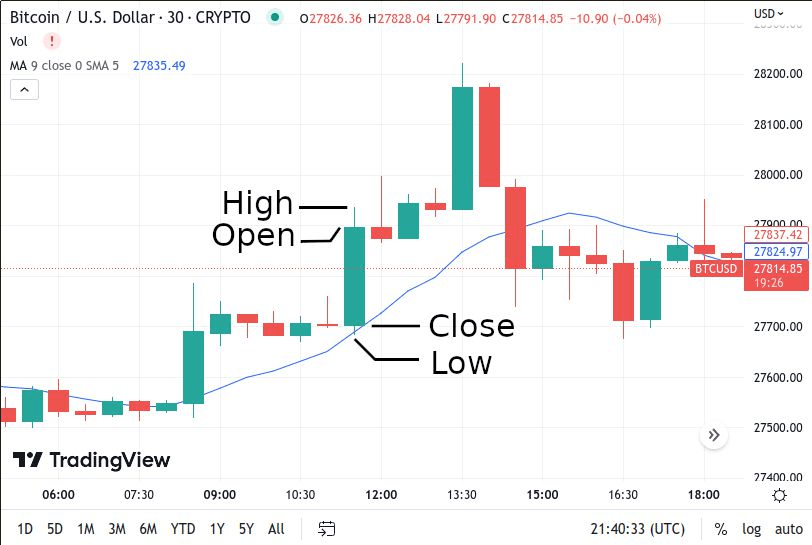
Step 4: Timeframes Matter More Than Predictions
Every trade must declare its timeframe:
- Scalp → minutes to hours
- Swing trade → days to weeks
- Position trade → weeks to months
Never change the timeframe mid-trade.
Most losses happen when:
- A scalp becomes an “investment”
- An investment turns into panic
Timeframe discipline prevents emotional decisions.
Step 5: Risk & Position Sizing (Where Traders Actually Fail)
Direction matters less than size.
CyberDudeBivash Risk Rules
- Each trade risks only a small % of trading capital
- No single loss should affect your psychology
- If you need the trade to work, size is too big
The goal is not to avoid losses.
The goal is to stay solvent through losses.
Step 6: Entry Logic (No “Hope” Trades)
You enter a trade only if:
- You understand why price is moving
- You know where you are wrong
- You accept the loss before entering
You never enter because:
- Twitter is excited
- Price is pumping
- You fear missing out
Hope is not a signal.
Entries are decisions.
Step 7: Exit Strategy (Defined Before Entry)
Every trade must have:
- A stop loss
- A profit target
- A reason to exit early if conditions change
CyberDudeBivash Rule:
If you hesitate to take a stop loss, you are trading ego, not strategy.
Exits define traders — not entries.
Step 8: Memecoin Trading (2026 Reality Check)
Memecoins are:
- Liquidity instruments
- Sentiment accelerators
- High-risk volatility tools
They are not investments.
If You Trade Memecoins:
- Use a separate wallet
- Use smaller position sizes
- Exit faster
- Assume zero value
Most people lose money on memes not because they’re wrong — but because they stay too long.
Step 9: Security Is Part of Trading
Trading increases attack surface.
Mandatory Security Controls
- Hardware wallet for approvals
- No blind signing
- Separate browser profile
- Regular permission revocation
- Ignore all DMs and “support” messages
CyberDudeBivash Principle:
A profitable trader with poor security eventually loses everything.
Step 10: Emotional Control (The Hidden Skill)
You stop trading immediately if:
- You feel angry
- You feel euphoric
- You want to “make it back”
- You break one rule
Professional traders do not rely on willpower.
They rely on rules.
Step 11: Review, Don’t Obsess
You review trades:
- Weekly (not daily)
- Based on rule adherence
- Not based on single outcomes
If profits rise but discipline falls, you are one mistake away from ruin.
The CyberDudeBivash Trading Philosophy (2026)
Trading is not about being right.
It is about staying operational long enough for probability to work.
Most traders fail not from one big mistake — but from many small rule violations.
Final Verdict: Should You Trade Crypto in 2026?
Yes — if you:
- Accept boredom
- Respect risk
- Protect security
- Follow a protocol
No — if you:
- Chase excitement
- Ignore losses
- Break rules
- Trade emotionally
Crypto trading rewards discipline.
It punishes ego.
Authority Call to Action
If you want to:
- Trade crypto without self-destructing
- Build a security-first trading system
- Separate speculation from strategy
- Operate like a professional
Explore the CyberDudeBivash ecosystem, where crypto trading is treated as an adversarial system, not entertainment.
 Cyberdudebivash
Leave a comment